
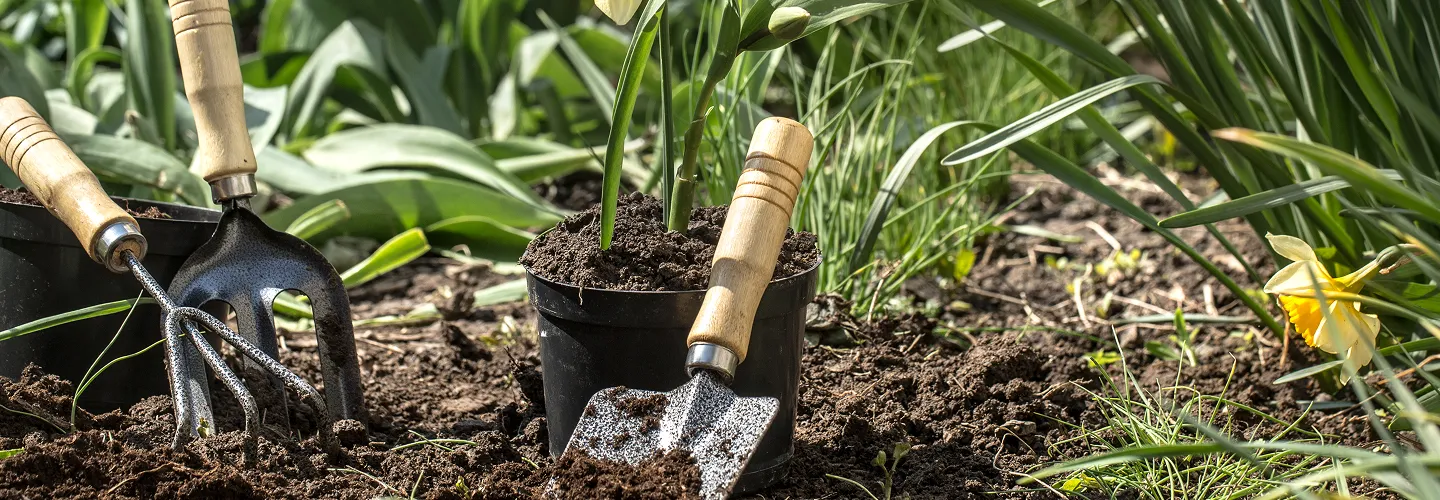
Canyon Lake Mulching Services
Choose our mulching services for expert installation, premium materials, and long-lasting results that enrich your soil, conserve moisture, and keep your garden looking its best all year round.
Get a Free QuoteOur Canyon Lake Landscaping & Yard Care Services
When to Schedule Mulching in Canyon Lake, Texas – Seasonal Guide
In Canyon Lake, Texas, the best time to schedule mulching is typically in late winter through early spring, just before the growing season begins. This timing allows mulch to insulate plant roots against any lingering cold snaps and helps retain soil moisture as temperatures rise. Given the region’s variable weather—ranging from mild winters to hot, humid summers—mulching at the right time can make a significant difference in the health and appearance of your landscape. Neighborhoods near Comal Park and the North Park area often experience microclimates, so it’s important to consider your property’s unique conditions.
Local environmental factors such as the area’s average last frost date, risk of summer drought, and the prevalence of rocky or clay-heavy soils all play a role in determining the optimal mulching schedule. Properties with dense shade from mature oaks or those closer to the Guadalupe River may require different approaches compared to open, sun-exposed lots. For more information on local environmental guidelines, visit the Sudbury municipal resource.
Local Factors to Consider for Mulching in Canyon Lake
- Tree density and shade coverage
- Soil type (rocky, clay, or sandy)
- Seasonal precipitation patterns
- Proximity to water features like Canyon Lake or the Guadalupe River
- Municipal restrictions or neighborhood association guidelines
- Terrain slope and drainage characteristics
Benefits of Mulching in Canyon Lake

Enhanced Soil Moisture Retention
Weed Growth Suppression
Improved Curb Appeal
Temperature Regulation for Plant Roots
Reduced Soil Erosion
Nutrient-Rich Soil Enrichment
Canyon Lake Mulching Types

Organic Mulch
-
Inorganic Mulch
-
Bark Mulch
-
Compost Mulch
-
Rubber Mulch
-
Pine Straw Mulch
-
Gravel Mulch
Our Mulching Process
Site Evaluation
Soil Preparation
Mulch Selection
Mulch Application
Final Inspection
Why Choose Canyon Lake Landscape Services

-
Canyon Lake Homeowners Trust Us
-
Expert Lawn Maintenance
-
Reliable Irrigation Solutions
-
Comprehensive Yard Cleanup
-
Competitive Pricing
-
Professional Team
-
Satisfaction Guarantee
Mulching and Soil Management in Canyon Lake’s Predominant Brackett-Rock Outcrop Complex
Mulching practices in Canyon Lake must account for the region’s dominant Brackett-Rock Outcrop complex soils, which are shallow, rocky, and often alkaline (pH 7.5-8.2) with limited organic matter. These soils require careful mulch selection and application to improve moisture retention and reduce erosion on sloped sites. The USDA Web Soil Survey provides detailed mapping for local soil series, supporting site-specific recommendations. For optimal results, apply 2-3 inches of organic mulch, such as shredded hardwood or native cedar, and avoid piling mulch against tree trunks to prevent rot. Soil testing is recommended every 2-3 years, with services available through Texas A&M AgriLife Extension. Compost incorporation should be tilled to a 6-inch depth for improved fertility. Mulching is especially critical in areas with exposed limestone and thin topsoil, common throughout Canyon Lake’s residential developments.
Municipal Coordination and Yard Waste Mulch Disposal in Canyon Lake
Proper disposal of yard waste and mulch debris in Canyon Lake is regulated by municipal guidelines to protect local water bodies and maintain community standards. Weekly yard waste collection is typically scheduled for Thursdays, April through November. Residents must use biodegradable bags or 32-gallon reusable bins; plastic bags and branches over 4 inches in diameter are prohibited. Mulch and brush should be placed curbside no earlier than 24 hours before collection. For large-scale mulching or land clearing, a permit may be required, with a standard review period of 5-10 business days and an application fee ranging from $25-$75. Coordination with the Department of Public Works ensures compliance with disposal protocols and prevents stormwater violations.
City of San Antonio Public Works Department
114 W. Commerce Street, San Antonio, TX 78205
Phone: (210) 207-8022
Official Website: City of San Antonio Public Works Department
Environmental Compliance: Mulching Near Canyon Lake’s Waterways and Wetlands
Mulching activities adjacent to Canyon Lake, the Guadalupe River, and local wetlands must comply with buffer zone regulations to protect water quality. The Texas Water Code and Clean Water Act require a minimum 25-foot no-disturbance buffer from the ordinary high-water mark of streams and wetlands. Mulch piles and debris must not be placed within this buffer, and all runoff controls must be in place to prevent sedimentation. The Texas Commission on Environmental Quality (TCEQ) enforces MS4 stormwater permit requirements, prohibiting yard waste and mulch from entering storm drains. For guidance on compliance and reporting, contact:
Texas Commission on Environmental Quality (TCEQ)
12100 Park 35 Circle, Austin, TX 78753
Phone: (512) 239-1000
Official Website: Texas Commission on Environmental Quality
Seasonal Timing and Weather Considerations for Mulching in Canyon Lake’s Climate Zone 8b
Canyon Lake is situated in USDA Hardiness Zone 8b, with average annual minimum temperatures of 15-20°F and a growing season extending from mid-March to late November. Optimal mulching windows are early spring (March 15-April 30) and late fall (October 15-November 30), when soil temperatures range from 50-65°F. Avoid mulching during peak summer (June-August) to prevent heat stress and moisture loss. Monitor local weather forecasts through the National Weather Service Austin/San Antonio Office for rainfall events, as heavy precipitation can displace mulch on slopes. For best results:
- Apply mulch after soil warms in spring or before first frost in fall
- Maintain a 2-3 inch mulch layer
- Replenish mulch every 12-18 months
- Avoid mulching over saturated or frozen ground
Professional Standards and Safety Protocols for Mulching Operations in Canyon Lake
All mulching operations in Canyon Lake must adhere to municipal safety standards and equipment regulations. Equipment operation is permitted:
- Monday-Friday: 7:00 AM - 7:00 PM
- Saturday: 8:00 AM - 6:00 PM
- Sunday and holidays: Prohibited Operators must use commercial-grade chippers and shredders with noise levels not exceeding 85 dB at property lines. Personal protective equipment (PPE) is mandatory, including ANSI Z87.1 safety glasses, hearing protection, steel-toed boots, and cut-resistant gloves. Maintain a 15-foot clearance from overhead utilities and public rights-of-way. For large projects or work near public spaces, coordinate with the Department of Public Works for traffic control and site safety requirements.
City of San Antonio Public Works Department
114 W. Commerce Street, San Antonio, TX 78205
Phone: (210) 207-8022
Official Website: City of San Antonio Public Works Department
What Neighborhoods Do We Serve Throughout Canyon Lake, TX?
- Startzville: Characterized by rocky, shallow soils and sloped lots, requiring erosion control and careful mulch placement to prevent runoff into Canyon Lake.
- Canyon Lake Village: Features mature oak stands and dense tree cover, increasing the need for regular mulching to manage leaf litter and maintain soil moisture.
- Sattler: Includes mixed residential and commercial properties with compacted soils and limited green space, necessitating frequent mulch replenishment and debris management.
- Ensenada Shores: Located near protected shoreline areas, subject to strict buffer zone regulations and runoff controls for all mulching activities.
- Mountain Springs Ranch: Newer development with expansive lots and exposed limestone, requiring deep mulch layers and soil amendment for plant establishment.
- Tanglewood Shores: Proximity to wetlands and seasonal drainage channels demands compliance with wetland buffer requirements and careful debris disposal.
- The Oaks: Large lots with heavy tree canopy and HOA landscaping standards, emphasizing mulch uniformity and adherence to community guidelines.